Our Process
How a roofing job runs in Passaic, step by step: the call, the written quote, the work and the final walkthrough — and the less expensive option named when there is one.
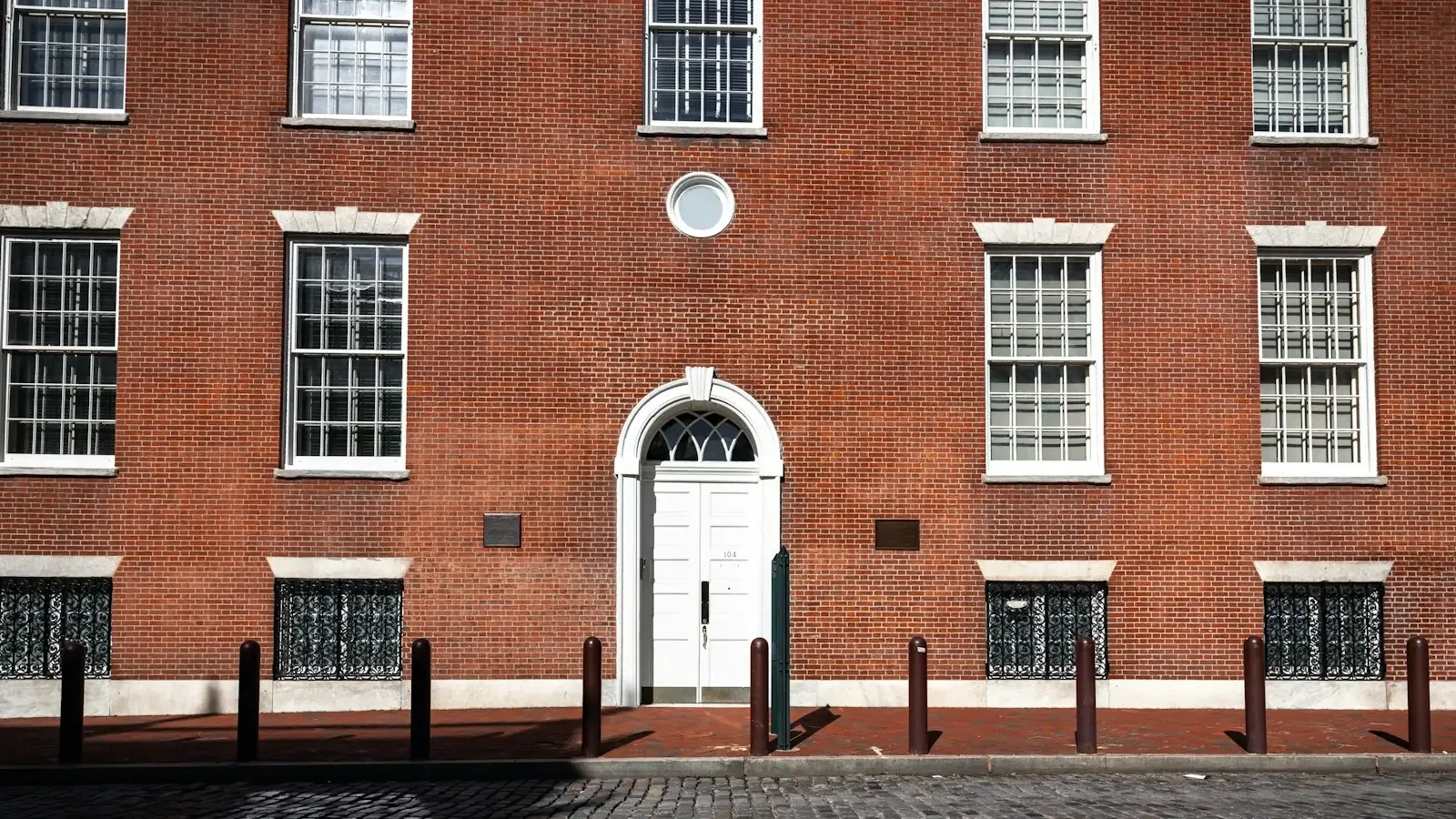
Four steps, start to finish
Where the water sits is found first, and a written quote comes before any work starts.
Call and say where the water shows
Tell us the address and what you are seeing: a stain, a drip, a puddle on the back roof, shingles on the sidewalk.
Find where the water sits
Ponding marks and debris lines on the flat sections, valleys and chimney backs on the pitched ones, drains and scuppers on both.
A written quote, failure and fix
What failed, why the water stopped there, and what gets it moving again, each as its own line, with whether your building needs a permit stated.
The work, then a hose or the next rain
Seams and flashing repaired in kind, low spots built up, outlets cleared.
The prices, in one place
Estimated ranges for Passaic County homes. Your own written quote comes after we have seen it.
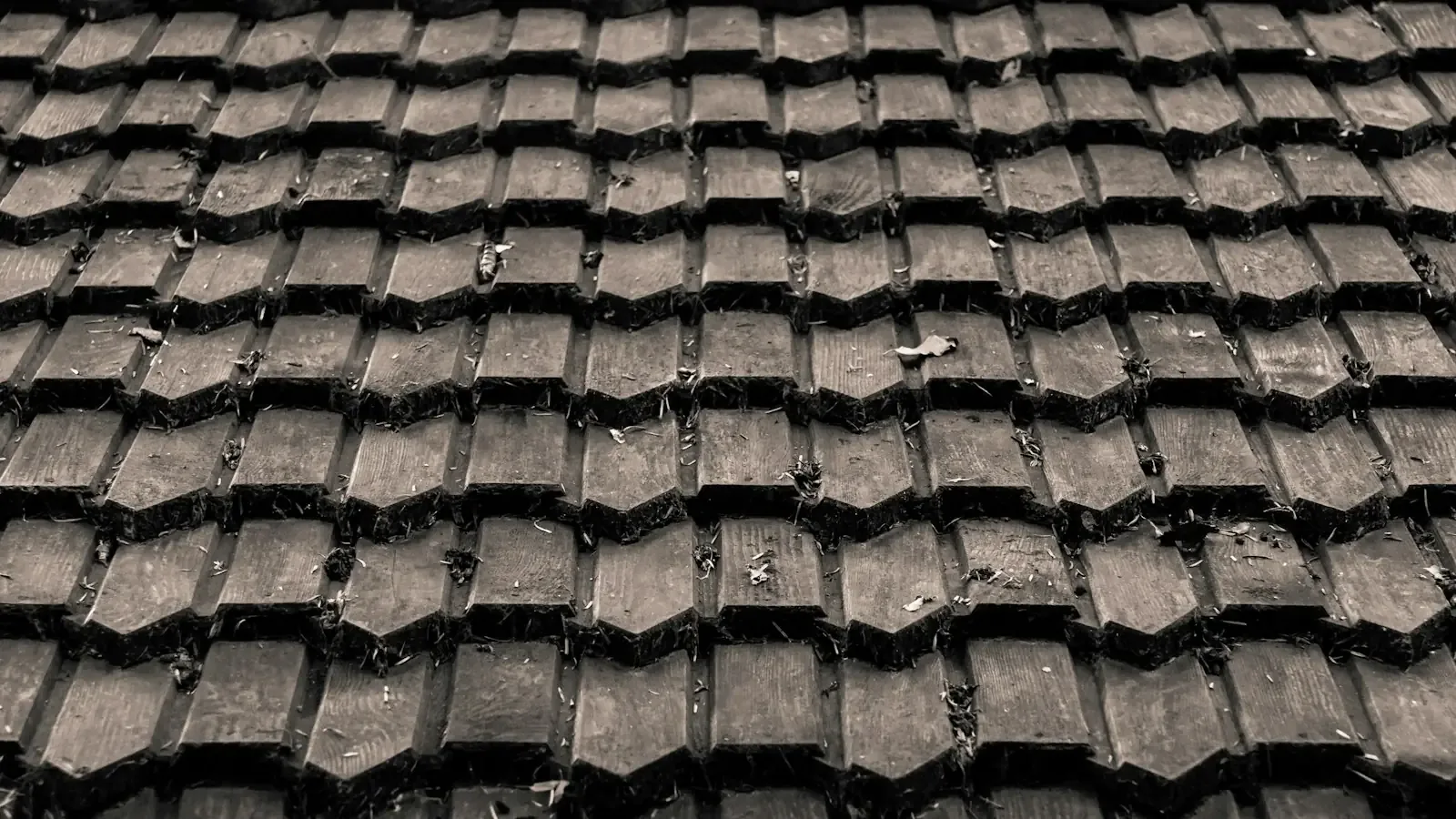
Roof Repair - $300 - $3,000 (est.)
National 2026 range, average about $900.
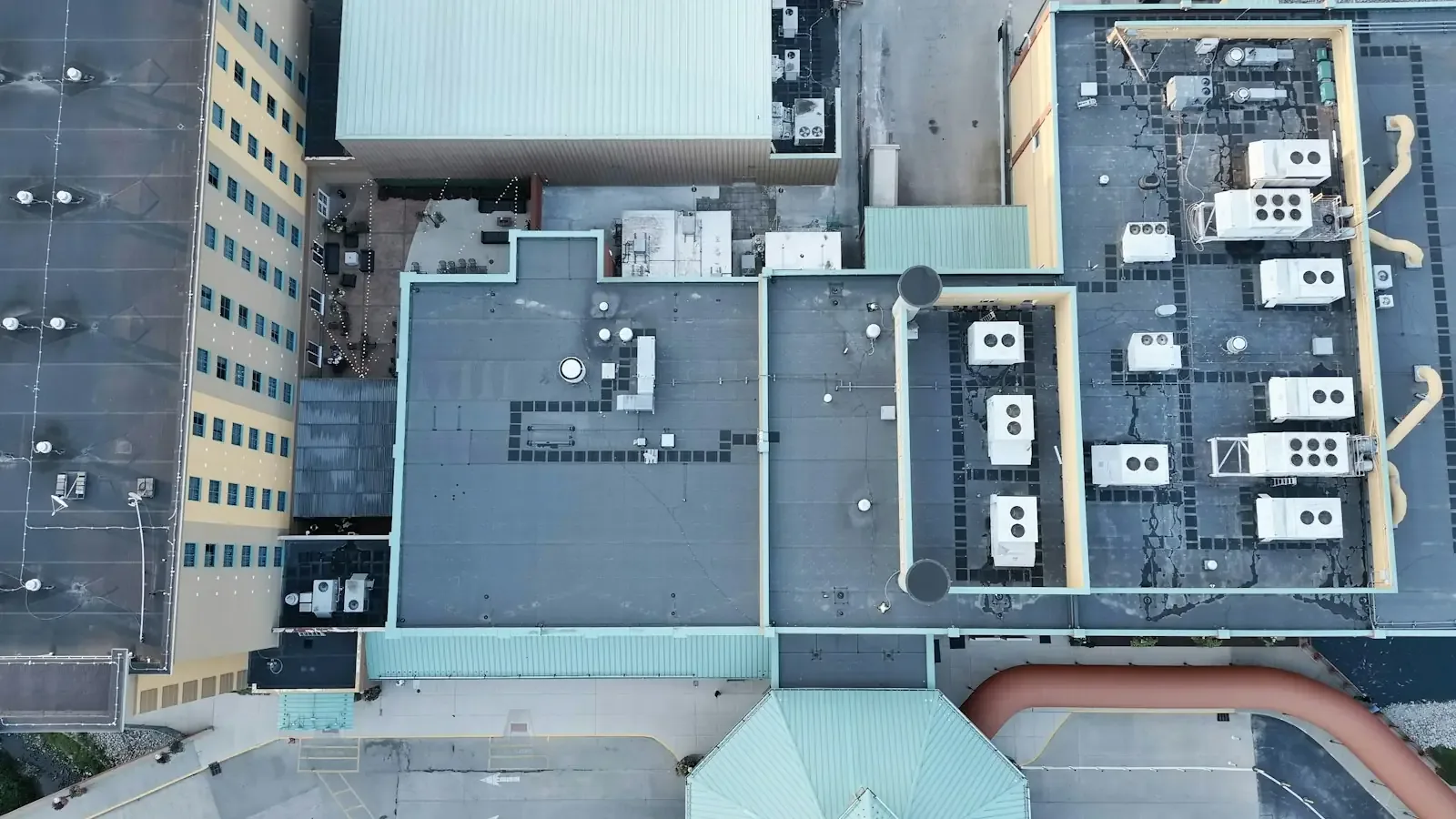
Flat Roof Repair - $750 - $3,500 (est.)
Borrowed from another market; no passaic figure published.
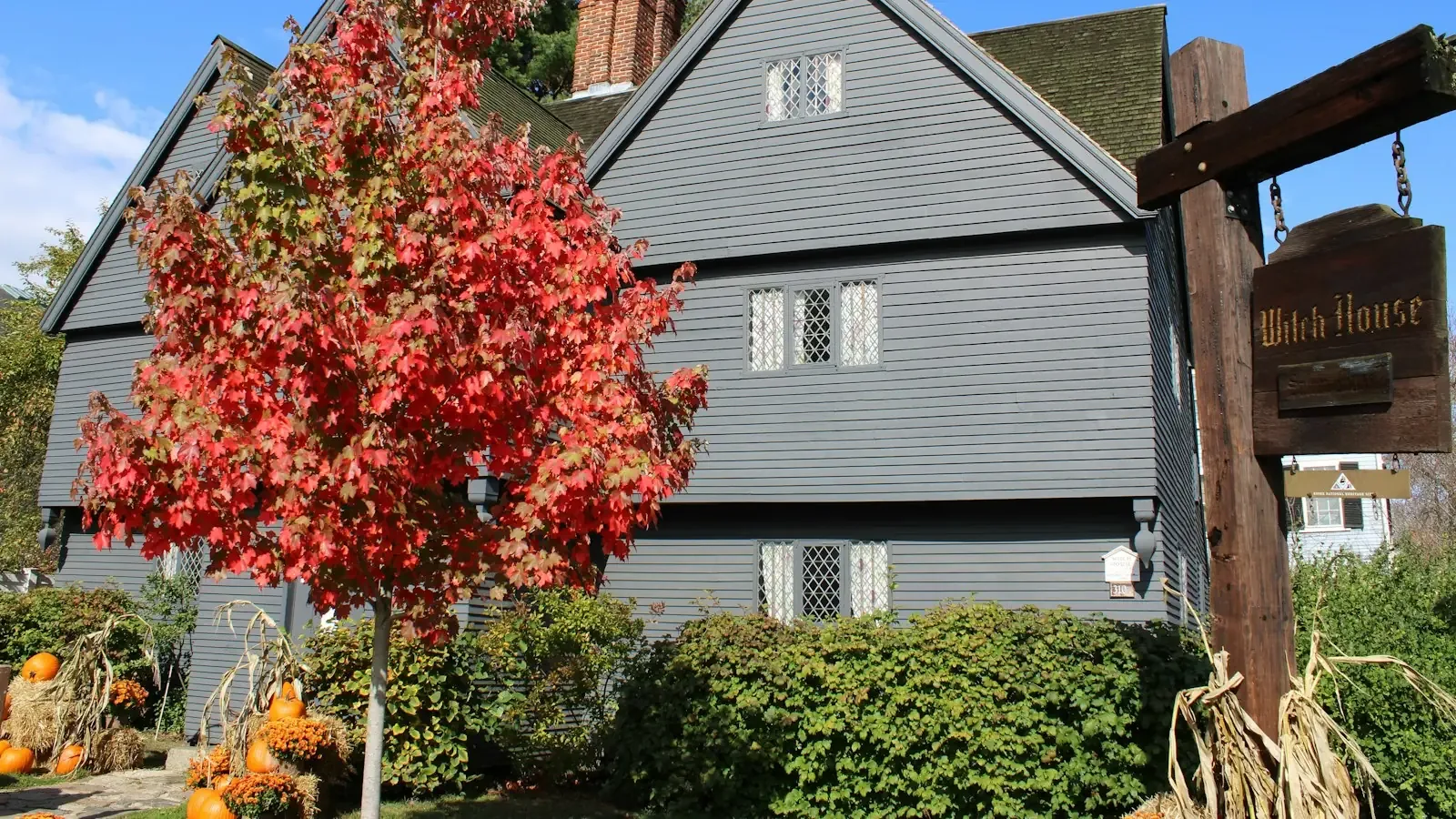
Shingle Roof Repair - $395 - $1,967 (est.)
National average repair range, 2026.
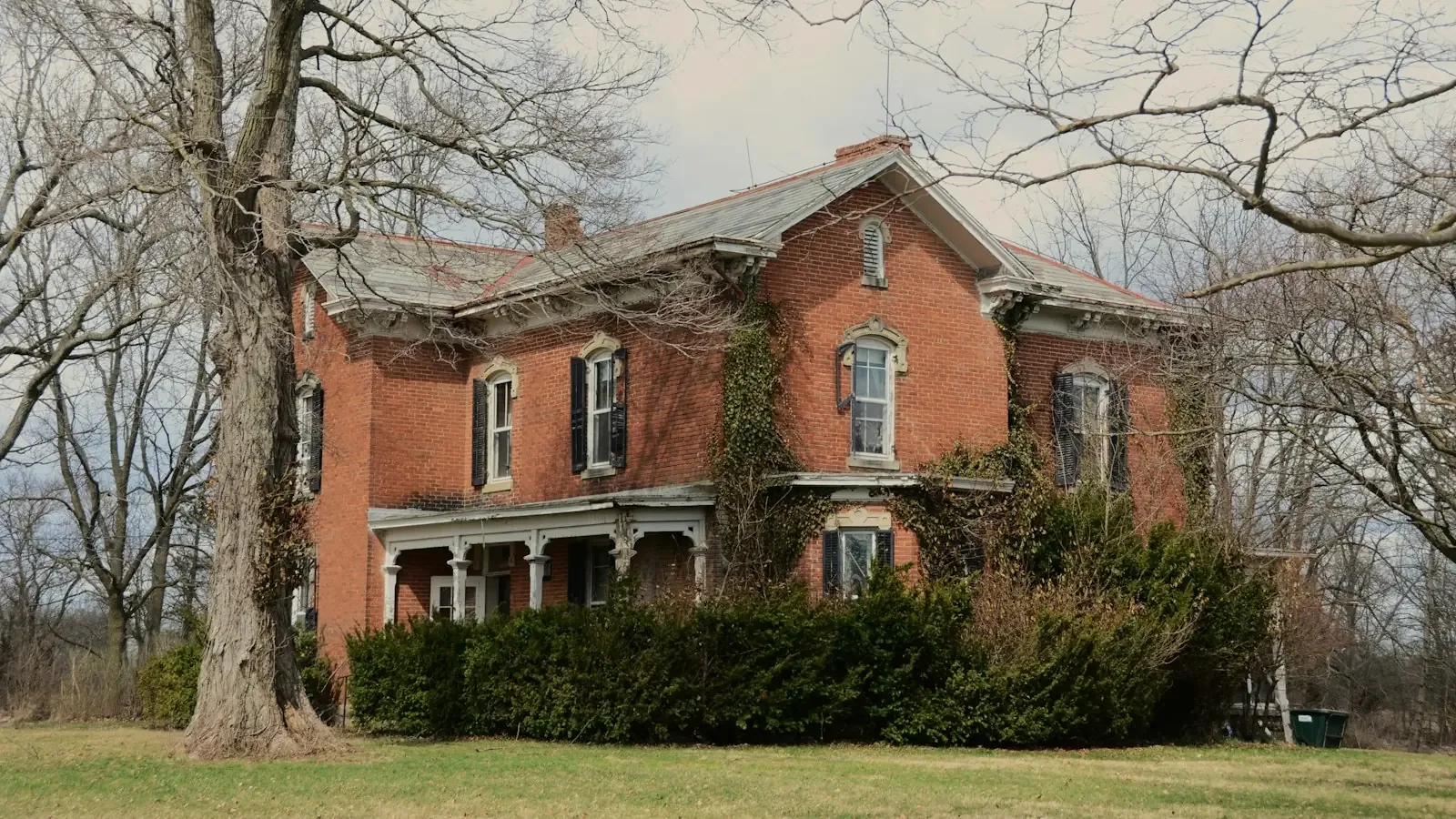
Porch Roof Repair - $300 - $3,500 (est.)
A span of the national repair and borrowed flat-roof ranges.
Commercial Roof Repair - $500 - $5,000 (est.)
A passaic commercial roofing page's range; big jobs run higher.
What to do before a roofer arrives, and why it narrows the job
A roof fails where its water sits, and the first steps cost nothing.
Catch the water and photograph it
A bucket under the drip, belongings moved, and a photograph of the stain before anything is touched.
Look at the low roof from a window
If a back or porch window looks onto a flat roof, check for water still standing, a lifted edge or leaves heaped at the drain.
Note when the water shows
Every rain, only in heavy rain, or only when snow melts.
Ask where the water is meant to go
Before anyone prices a patch, ask them to show you how the water leaves that roof and why it stopped.
Storms and thaws set the roofing calendar here
Worth knowing before you start calling around, because the busiest weeks are the worst weeks to be choosing.
This market's questions cluster around weather: what to do when a storm blows shingles off, how urgent a repair is, whether ice dams are a roof problem. The calls arrive together too, after a nor'easter off the river or a thaw, when every low spot in the city is full of water on the same day.
Membranes and shingles both bond best in dry, mild weather, which is one more reason a drain cleared or a low spot built up in the fall is a better repair than the same job rushed in a freeze. A blocked outlet is worth clearing the week you notice it.
- Water coming in now: seen the same day where light and weather allow
- Repairs booked within the week in normal conditions
- Outlets cleared on the first visit wherever that is all it takes
- Larger repairs scheduled for dry, mild weather where possible

Want a figure on it?
The estimated range before we travel, and the figure in writing before any work starts.